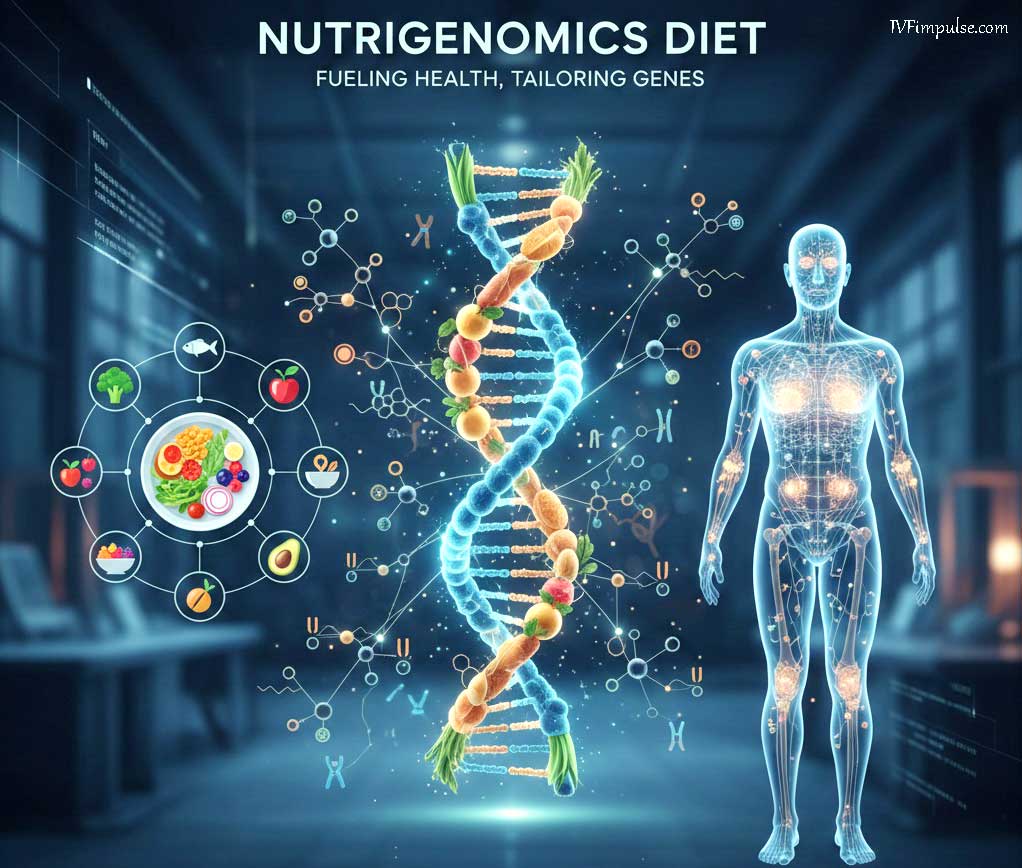

Every person eats differently, digests differently, and responds to food differently. Some people lose weight quickly, others struggle for years. Some have hormonal issues caused by genetics, while others do not. This is where nutrigenomics comes in — a new science that studies how food interacts with your genes to influence your metabolism, immunity, fertility, longevity, and overall health.
Nutrigenomics is becoming a global trend because it explains why one diet can’t fit everyone. Instead of guessing what food works, it helps people choose a diet based on their DNA blueprint.
This article explores nutrigenomics in a simple, science-backed, and globally relevant way so you can understand how food influences your genes and how personalized nutrition can improve your future health.
What Is Nutrigenomics?
Nutrigenomics is a branch of nutritional science that studies:
- How food affects gene expression
- How your DNA influences your response to nutrients
- How diet can prevent or trigger diseases
- How foods can activate or silence certain genes
In simple words:
Nutrigenomics explains how your genes talk to your food — and how your food talks back.
This concept is powerful because it shows that you are not a prisoner of your genes. You may inherit risks, but food can modify them.
How Food Talks to Your Genes (The Science Behind Nutrigenomics)
Food doesn’t just give calories — it contains thousands of molecules that behave like signals. These signals interact with genes and affect:
- Metabolism
- Hormone balance
- Inflammation
- Cell repair
- Digestive function
- Aging process
Example:
Omega-3 from fish can turn on genes that reduce inflammation.
Processed sugars can turn on genes that increase obesity and diabetes risk.
Key Mechanisms
- Gene Expression – Food switches genes on or off.
- Epigenetics – Food adds chemical marks that modify how strongly a gene works.
- Nutrient–Gene Interaction – Nutrients bind directly to DNA receptors to change body function.
This is why two people can eat the same food but have completely different reactions.
Why Nutrigenomics Matters Globally
Nutrigenomics is rising worldwide because lifestyle diseases are increasing everywhere.
Benefits that make nutrigenomics globally important:
- Helps personalize diet
- Reduces chronic disease risk
- Improves immunity
- Supports long-term health
- Helps with fertility and hormone balance
- Optimizes weight loss
- Slows aging
- Improves mental well-being
Governments, researchers, and medical experts support nutrigenomics because it shifts healthcare from treatment to prevention.
Key Genes That Respond to Nutrition
These are famous genes studied in nutrigenomics. Many global DNA tests check them.
1. MTHFR Gene (Folate Metabolism)
Affects:
- Folate utilization
- Homocysteine levels
- Fertility
- Pregnancy outcomes
- Birth defects
People with MTHFR variants need methylated folate (L-Methylfolate) instead of normal folic acid.
2. FTO Gene (Obesity Gene)
Affects:
- Appetite control
- Weight gain tendency
- Response to carbs and fats
- Risk of insulin resistance
People with FTO variants respond better to high-protein, low-refined carbs.
3. APOA2 Gene (Fat Metabolism)
Affects:
- Response to saturated fats
- Cholesterol levels
- Heart disease risk
People with APOA2 variants should limit fatty meats and fried foods.
4. TCF7L2 Gene (Diabetes Risk Gene)
Affects:
- Blood sugar control
- Response to carbs
- Diabetes risk
These people improve strongly with a low-glycemic diet.
5. VDR Gene (Vitamin D Receptor Gene)
Affects:
- Vitamin D absorption
- Bone density
- Immunity
- Fertility hormones
People with variants need higher Vitamin D intake + sunlight.
How Nutrigenomics Improves Your Health
Nutrigenomics isn’t just for diagnosis — it actively improves your daily health.
1. Weight Loss
Your genes determine how you respond to:
- Carbs
- Fats
- Proteins
- Exercise
- Fasting
A gene-based diet improves weight loss success dramatically.
2. Gut Health
Genes influence:
- Digestion
- Microbiome balance
- Food intolerance
- IBS sensitivity
Nutrigenomics helps design a gut-friendly diet.
3. Hormonal Balance
Food influences genes linked to:
- Thyroid hormones
- Insulin
- Estrogen
- Stress hormones
- Reproductive hormones
4. Chronic Disease Prevention
You can reduce the risk of:
- Diabetes
- Heart disease
- PCOS
- Obesity
- Hypertension
- Autoimmune disease
- Early aging
Simply by adjusting your diet based on your genetics.
5. Mental Health
Nutrigenomics supports genes related to:
- Mood regulation
- Serotonin production
- Anxiety
- Depression
- Stress response
Best Nutrients That Influence Gene Expression
Your genes respond strongly to certain nutrients. These nutrients are high-impact for health.
Omega-3 Fatty Acids
Benefits:
- Reduces inflammation
- Improves heart health
- Boosts fetal brain development
- Balances mood
Polyphenols
Found in: berries, green tea, turmeric
Benefits:
- Anti-aging
- Anti-inflammatory
- Protects DNA from damage
Vitamins B9 & B12
Benefits:
- DNA repair
- Fertility
- Energy metabolism
- Pregnancy health
Vitamin D
Benefits:
- Bone strength
- Immune function
- Hormone regulation
- Sperm & egg health
Probiotics & Postbiotics
Benefits:
- Gut microbiome balance
- Inflammation control
- Improved digestion
Real-World Examples of Nutrigenomics in Action
Weight loss agencies
Use DNA tests to personalize diet plans.
Athletes
Use nutrigenomics to build strength and endurance.
Fertility doctors
Use MTHFR and folate genetic data to improve conception chances.
Longevity clinics
Use nutrigenomics to reduce inflammation and boost mitochondrial health.
Personalized Diet Based on Your Genes
A nutrigenomics diet is created by combining:
- Your DNA results
- Your metabolism
- Food preferences
- Health concerns
It includes:
- Food to eat
- Food to avoid
- Nutrients you need more
- Exercise type for your genes
- Supplements needed
- Ideal fasting pattern
This becomes your gene-matched diet, not a one-size-fits-all plan.
Nutrigenomics for Fertility & Hormonal Health
MTHFR gene
Women with MTHFR variants should take L-methylfolate, not regular folic acid.
Improves:
- Egg quality
- Pregnancy outcomes
- Reduces miscarriage risk
PCOS-related genes
Respond well to:
- Low-GI diet
- Omega-3
- Inositol
- Vitamin D
Male fertility genes
Oxidative stress genes need:
- Vitamin C
- CoQ10
- Zinc
- Omega-3
- Antioxidant-rich diet
Vitamin D receptor gene
Affects:
- Testosterone
- Egg development
- Endometrial health
Nutrigenomics is a game-changer for couples preparing for pregnancy naturally or through IVF.
Limitations, Myths & Risks
Nutrigenomics is powerful, but not magic.
Myths you should avoid:
- It doesn’t change your DNA
- It doesn’t cure diseases
- It doesn’t replace medical treatment
- It doesn’t guarantee weight loss
- Not every gene needs testing
Use nutrigenomics as a guide, not a miracle solution.
Should You Get a Nutrigenomics Test?
You should consider testing if you:
- Gain weight easily
- Have hormone imbalance
- Have PCOS
- Have infertility
- Feel tired constantly
- Have repeated vitamin deficiencies
- Have diabetes or heart risk
- Want a personalized diet
- Want longevity and anti-aging benefits
Tests are safe, simple, and done through a saliva sample.
In Conclusion
Nutrigenomics is the future of nutrition and healthcare. It helps you understand how your genes respond to food so you can choose the right diet for your body. From improving metabolism and digestion to supporting fertility and longevity, nutrigenomics gives you a clear blueprint for lifelong health.
Instead of guessing which diet suits you, nutrigenomics helps you follow a personalized scientific plan that supports your genes, prevents disease, and enhances your physical and mental well-being.
References;
- Study published in Nutrients Journal (2024) on personalized nutrition and genetic insights.
- Review article in Frontiers in Nutrition (2024) discussing genome-based personalized nutrition.